

One of my biggest worries with my multiple sclerosis diagnosis was whether or not I would still be able to travel. I knew having a compromised immune system would complicate matters. Even before MS, I would always increase my Vitamin C intake when flying and use saline spray throughout the flight to flush germs, but now I wondered if that would be enough to keep me from getting seriously ill. The pandemic has meant I have masked up while in the airport and on the plane every time I have traveled since my diagnosis. However, that is getting ready to change. Tomorrow I am leaving on my first “post Covid” trip. It will be my first time flying since mask restrictions have been lifted by the airlines. It will also be my first long haul flight since my diagnosis. I worry about the increased chance of getting seriously ill and the havoc that will be wreaked on my body from sitting on a cramped plane seat for nine hours.
Flying
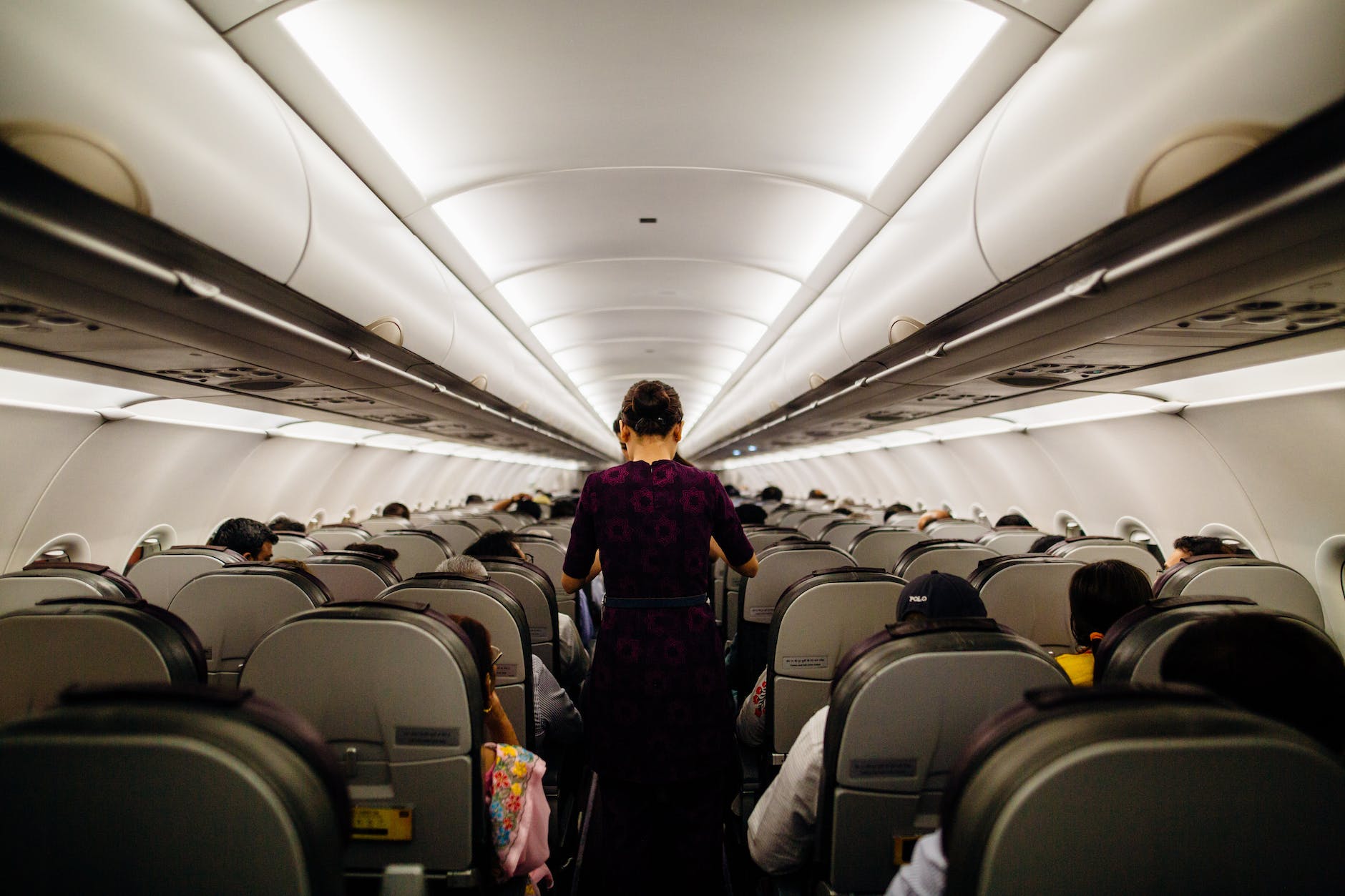
When traveling with MS, there is a lot to take into consideration about the destination and even getting there. My first concern is the airport itself. Gone are the days of sprinting to the gate to catch a tight connection. I never liked to cut things close, even when I was a runner. But now it is extra important I have ample time to navigate the airport. The moving sidewalks I used to roll my eyes at are now an essential break from walking.
I know it is unwarranted, but I also stress going through security when I have to take my shoes off. It is not the stress of walking without my AFO, I can walk short distances just fine, but watching it disappear from my sight for a brief moment as it passes through the scanners. I stand and crane my neck watching for the tray with my shoes to come out. I needlessly worry that my AFO will magically disappear. My trip would be ruined without it. Not to mention the hundreds of dollars I would be out for a replacement. But, as of yet, it has not disappeared nor been confiscated by TSA.
Once I have made it to and boarded the plane, the next concern is how my body is going to react to being crammed into a small space with limited movement. I have spasticity due to my MS. In the simplest terms, that means my muscles are unusually tight and stiff. It is worse in my legs. My hamstrings are always knotted up and pull so hard on my legs I get knee pain. I stretch daily but it is an uphill battle against the nerve damage that causes it. A small airplane seat with limited options to get up and move around is the ideal scenario for some very stiff muscles and painful joints. I have a prescription for muscle relaxers though I rarely take them. As bad as spasticity sounds, mine is still tolerable on most days. I will use the muscle relaxers for the plane ride, though. Added bonus is they help me sleep.
Climate

Another thing that has to be considered is the climate of the destination. Most people with MS are sensitive to temperature changes. I am sensitive to both heat and cold and each affects me in a different way. Both make it more difficult for me to walk. The heat seems to exacerbate my foot and hip drop and leave me dragging my right leg a lot sooner than I normally would. The cold exacerbates the spasticity in my legs and makes walking difficult due to how stiff and weak my legs get. I also have more issues with my arm and using my hand in the cold weather.
Researching the weather of the place you are traveling to and dressing appropriately is pertinent. My upcoming trip is to a desert climate. I am packing light, loose, moisture wicking clothing for the day and light sweaters for the evening. I am looking forward to the abundant sunshine but know I have to be extra careful not to overheat.
If you are extra sensitive to heat, it may be worth your consideration to pack a cooling vest or cooling towels if traveling to warmer climate.
Terrain

Another consideration when traveling with MS is the terrain of the destination. If I am traveling to a city and do not plan on venturing out much further than the paved roads and sidewalks, then my AFO is sufficient. If the destination involves outdoor activities where I will be attempting to hike, then I need walking sticks to aid me. Depending on the city, walking sticks may even be beneficial in cases of uneven sidewalks and unpaved roads.
Time Change

Changing time zones is a big worry for me. My body is extra sensitive to anything foreign or out of the regular routine. The biggest time difference I have experienced since my diagnosis is three hours. I did not have any issues other than the usual fatigue. This trip will be a seven hour difference. I envision my fatigue will be worsened. My best hope to combat it will be getting sufficient sleep on the overnight flight. My nightly anxiety medicines will assist in helping me to doze off. The added muscle relaxers for spasticity will also help. The rest will depend on a comfy travel neck pillow and a cozy pullover.
Be sure to keep your medications in your carry on and not a checked bag. It may also be a good idea to have a note from your doctor stating any special needs you may have. If you have prior experience with taking steroids, like prednisone, it may be beneficial to speak with your doctor about having them on hand for your trip. The physical and mental stress of traveling could be enough to cause an MS flare and you will want to be prepared.
I’m excited for the upcoming journey and ready to meet any trials head on. I will type as I go and hopefully update later in the week on how the adventure is going!
 (M)y (S)tory