
Lymphocytes are a type of white blood cell. They help your immune system fight off foreign invaders such as viruses, bacteria, and cancer. The two main types of lymphocytes are T cells and B cells. Multiple sclerosis happens when the immune system attacks the central nervous system. It is thought that B cells and T cells are the drivers of that attack. Historically, most research and MS medications have targeted T cells. Now, more focus is being placed on both the B cells and T cells as culprits for the progression of the disease.
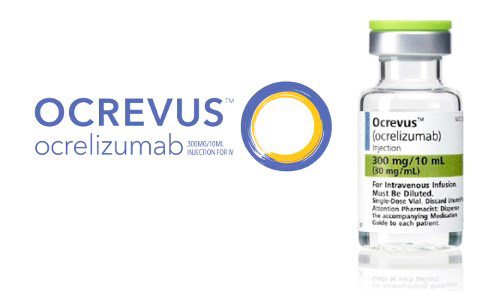
Ocrevus is an infused medication given every six months. The exact way Ocrevus works is not fully known, however, it appears to target specific B cells. Ocrevus is a newer medication. It received FDA approval to treat Relapsing Remitting MS and Primary Progressive MS in March of 2017.

When I was first diagnosed, I turned to the internet. I researched every medication and treatment option available to me. I was overwhelmed. My head was still spinning from receiving the diagnosis itself and adjusting to my new circumstances. Deciding on medication was too much. I put it solely in the hands of my neurologist.
My conversation with him gave me the first glimmer of hope I had felt in months. He sang the praises of Ocrevus. It was his new go-to for all of his MS patients. In his words, I had nothing to worry about. He told me my life would be all “sunshine and rainbows” once I started it. I walked out of his office feeling like they could not get that needle into my arm soon enough.
I did more research. Ocrevus was very promising. It seemed to be the next best thing next to a cure. Patients were reported being pushed into their first infusion appointment in a wheelchair and then walking in for their second infusion. According to head to head clinical trials with Rebif (a leading MS medication given by injection), Ocrevus reduced relapses by 46% more and patients were 40% less likely to have disability progression. According to the trials, 83% of MS patients on Ocrevus had zero relapses. Those numbers are astounding by current MS medication standards. I could see why my neurologist was so hopeful.
To be clear, Ocrevus is not meant to cure MS. It is meant to stop the progression. There are plenty of MS patients on Ocrevus who report a reversal of symptoms. Many report an increase in walking speed or simply no longer need a walking aid. This is a welcomed phenomenon of the drug, but not what is administered to do.
The first dose is divided in half and given two weeks apart. I received my first infusion on May 3, 2021, and my second infusion on May 17, 2021. The initial concern with Ocrevus is an infusion reaction. I was given Benedryl and IV steroids to help prevent that possibility. As you wait for those to take effect, the pharmacy prepares your medication. Your dose is never prepared in advance as they do not want to waste sixty thousand dollars in meds if the nurse is unable to find a good vein to tap to administer the drug.
Once the Ocrevus line is connected to your IV you sit back, relax, and hope for the best. I would fill the next six hours or so with napping, Netflix, reading, and snacks. Good sleep isn’t possible because a nurse is adjusting the flow of the medicine and checking your vitals every hour.
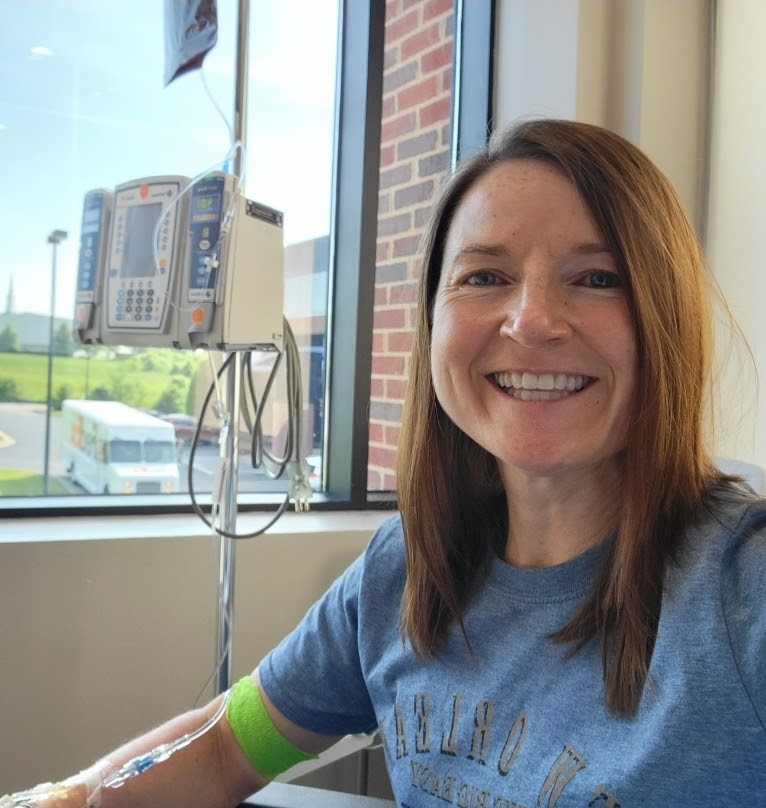
Six months later I received my first complete dose infusion on November 19, 2021. Six months after that, I had another infusion on May 20, 2022. I have never had an infusion reaction. My days sitting in the infusion chair were often relaxing and a much-needed break from work. I learned after the first dose to schedule my appointments on Friday. Two days after the infusion I would feel ill effects. Most often in the form of increased fatigue and brain fog. I would stumble a bit more and sleep a bit more then back to normal.
I was very vocal with friends and family about my expectations of treatment. I did not want to get my hopes up for the healing phenomenon others had experienced. I, of course, wanted it with all my heart but knew I could not handle another letdown. Everyone wanted to know when I would start feeling better. They would ask how long before I started riding my bikes again or hiking again. As hard as it was to tell myself I was never going to get better, it seemed even harder to tell them. It is hard to wrap your head around the idea of receiving such aggressive treatment knowing it is not going to help you heal, it was just to prevent further damage from happening.
I came home from my first infusion and immediately went for a walk. Was I walking faster? It seemed I might be. Was I dragging my foot a little less? Possibly. I was so hopeful. I was looking for any new sign of life in my body. But, it just was not there.
The only Ocrevus phenomenon I experienced was the “crap gap”. The crap gap is the period of time between infusions when a person experiences a worsening of symptoms. It differs from person to person, but typically a few weeks out from the next infusion a person will essentially begin to feel like crap.
I would notice it about five weeks before I was due for my next infusion. My fatigue would worsen. I would also experience more trouble ambulating. Some of the walking issues may also have been due to how tired I was. The worst was how off the charts my emotions and anxiety would get. It helps now that I better understand that a lot of what was happening to me was due to the medicine. I would get the next infusion and it would take the edge off. Looking back though, I feel each crap gap I went through stuck with me a little. I do not think I ever fully recovered from any of them and each left me a little worse off than I was before.
My Ocrevus journey lasted less than two years. Follow along for my next post and the reasons why I will never receive another infusion again. If you have your own Ocrevus experience, I would love to hear about it. Message me or leave a comment at the bottom of the page.
Cover Image https://mssussex.com/dmd-ocrevus-approved/

